
Vehicles with internal combustion engines running on e-Fuels release the same amount of CO2 into the atmosphere as was previously recycled to produce e-Fuels. This process ensures that, on a global and long-term scale, e-Fuels can significantly reduce CO2 emissions.
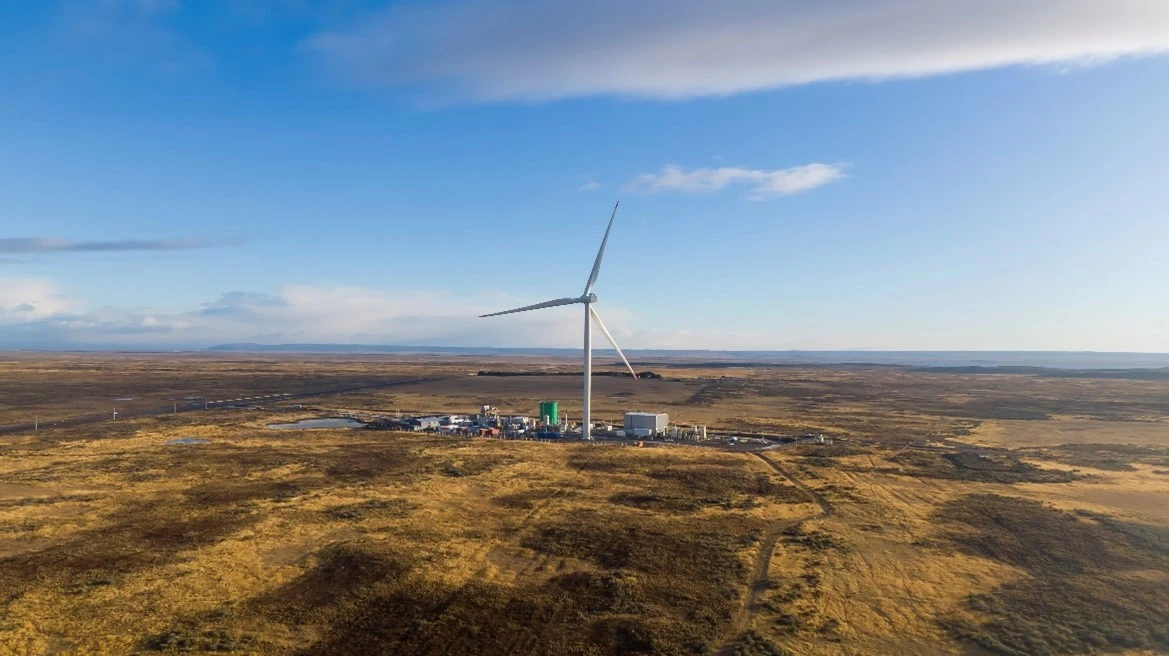
The production of e-Fuels is influenced by the availability of renewable energy sources like wind and sunlight, since they are used to power the electrolysis process that converts water into hydrogen, a key component of e-Fuels.
However, because e-Fuels are liquid and stable, they provide a solution to the challenges posed by the intermittent and geographically variable nature of renewable energy. The energy generated from wind or solar can be stored as liquid e-Fuels, making them easier to transport over long distances to areas where demand exists, using existing infrastructure. Furthermore, in regions with access to a well-connected power grid, fluctuations in renewable energy production can be balanced through grid integration, which can increase the efficiency and competitiveness of e-Fuel production.
e-Fuels are considered low carbon because they are made from renewable energy and recycled carbon dioxide (CO2). However, there may be some emissions resulting from raw materials supplies and product shipments that need to be included when considering the carbon footprint of e-Fuels' lifecycle. Our products and processes are carefully reviewed by specialist life cycle analysis consultants to ensure that any relevant emissions are considered in determining the final carbon intensity (CI) score.
Currently HIF Haru Oni Holds ISCC Plus certification for 2023–24–25 and ISCC EU RFNBO certification for 2025. The ISCC EU RFNBO certificate covers the facility’s entire supply chain, from CO₂ capture to the production of hydrogen, e-Methanol, e-Gasoline, and e-LG, and confirms that the HIF Haru Oni e-Fuels facility is capable of producing RFNBO-compliant fuels, which require hydrogen produced using 100% renewable energy and at least a 70% reduction in GHG emissions.
The primary by-product from producing e-Fuels is pure oxygen, which may be released into the atmosphere. There may be small amounts of waste and contaminants removed from water treatment, which will be permitted and disposed of properly.