
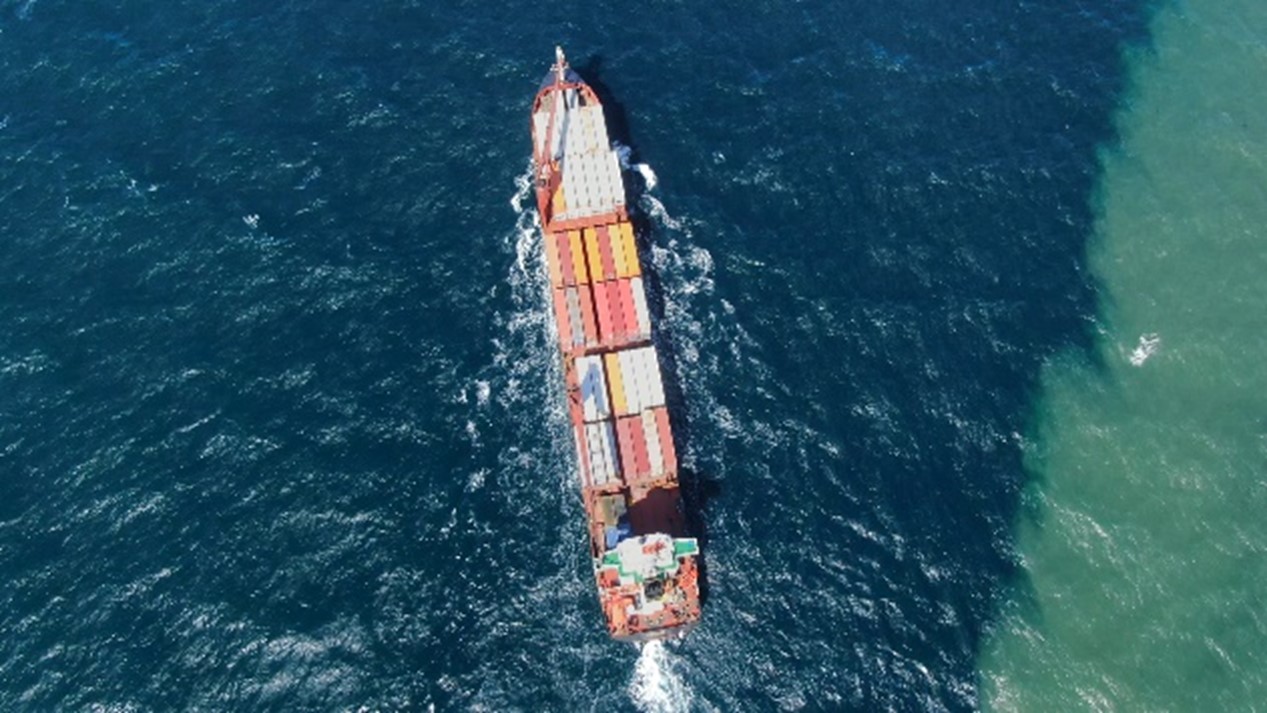
e-Methanol is a low-carbon fuel produced with renewable energy and recycled CO₂. It is part of the family of e-Fuels (electricity-based fuels), meaning its production is made with electricity generated from renewable sources such as wind or solar.
As e-Methanol is made using recycled CO₂, it offers ship operators a sustainable marine fuel that reduces lifecycle emissions without requiring modifications to today’s methanol-engine ships. e-Methanol can also be used as a feedstock to produce other e-Fuels, such as e-Gasoline or e-SAF, and maintain flexibility to deliver to the highest value market sector. In addition, e-Methanol can act as a hydrogen carrier, enabling the efficient storage and transport of renewable hydrogen in liquid form.
The maritime industry is one of the hardest to abate sectors, contributing over 1 billion tons of CO₂ to global GHG emissions annually. Shipping nowadays cannot run on batteries or direct electrification; therefore e-Methanol provides a secure, immediate, drop-in, low-carbon solution.
e-Methanol is not only a promising fuel for the maritime sector, but it is also a versatile “building block” for a wide range of low-carbon products. It can be converted into sustainable aviation fuel (e-SAF), into e-Gasoline for road transport, or even into chemicals. This flexibility means that scaling e-Methanol can drive decarbonization far beyond shipping.
Green hydrogen generation: Renewable energy is used to split water (H₂O) molecules into oxygen and hydrogen. This process is called “electrolysis”, creating the hydrogen feedstock.
Synthesis: CO₂ and green hydrogen are combined in a reactor to obtain raw e-Methanol which contains 36% of water. Methanol can be used directly as a shipping fuel, or as a building block to produce longer chains of hydrocarbons, such as gasoline, jet fuels, or those required for other chemicals like plastics.
Extra step Methanol-to-Gasoline (MtG): Raw methanol is first distilled to reduce its water content from 36% to 4%. It could be converted into raw gasoline, followed by stabilization and fractionation processes to obtain a final product ready for use in road transportation.
Do you want to learn more about our process at HIF? Check the virtual tour of our HIF Haru Oni e-Fuels facility.