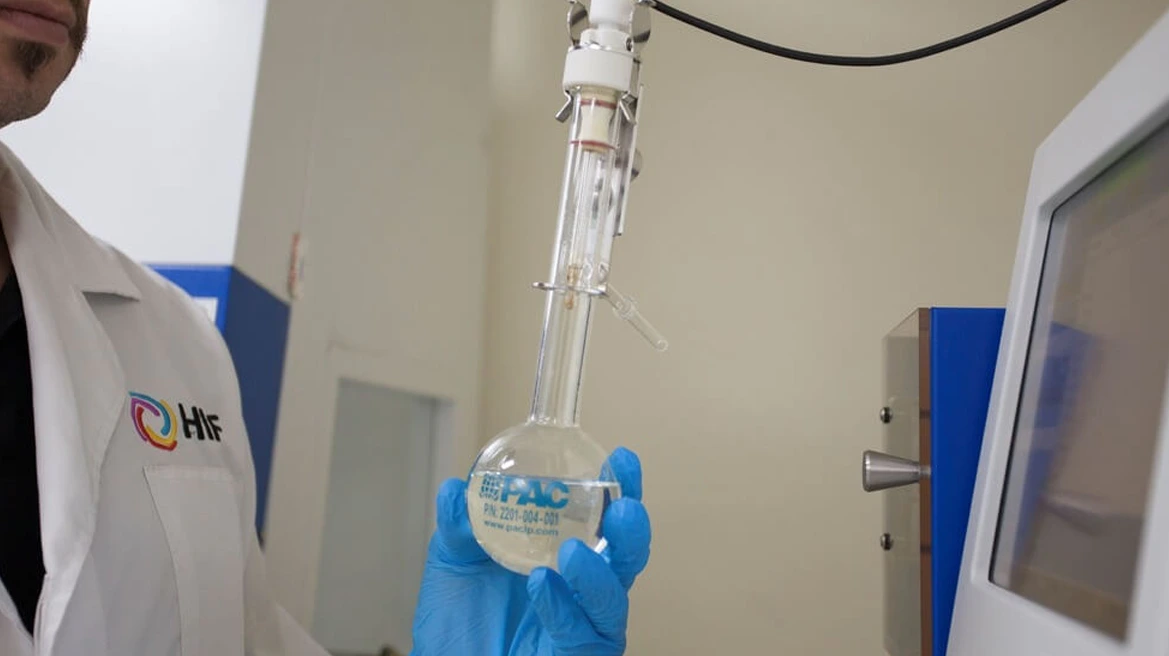
e-Fuels, or electricity-based fuels, are lower-carbon fuels created from renewable energy sources. They are “drop-in fuels,” meaning they can be used in existing engines and infrastructure without the need for modifications.
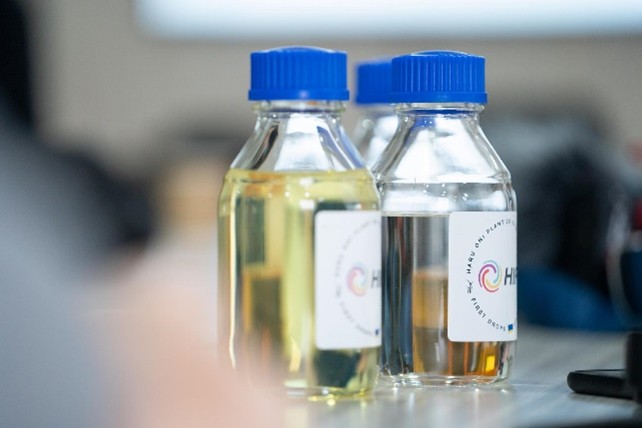
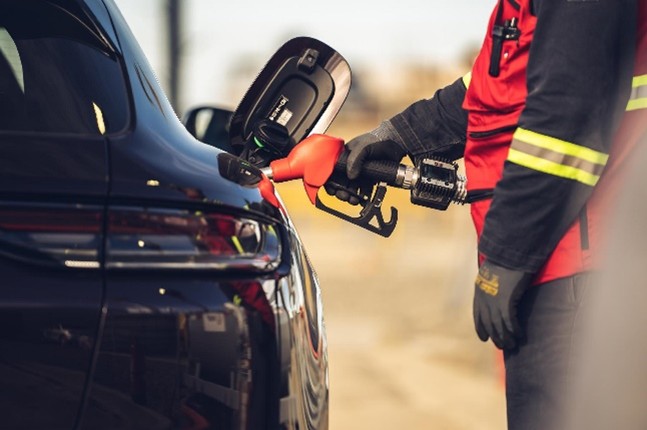
e-Fuels are produced using renewable energy sources such as wind, solar, or hydropower to convert air and water into fuel. First, electricity from renewable energy is used to split the molecule of water into oxygen and hydrogen through a process called electrolysis. Then, the hydrogen is combined with recycled carbon dioxide in a process of synthesis. This creates e-Methanol, a type of e-Fuel that can be used in methanol engines in ships or be converted into e-Gasoline for cars or e-SAF (Sustainable Aviation Fuel) for airplanes.
e-Fuels are chemically equivalent to the conventional fuels we use today. This means that they are fully compatible with existing engines and infrastructure, including pipelines that are used to transport liquid fuels.
e-Fuels are chemically equivalent to existing liquid fuel products, so they can be transported via existing methods (such as pipelines, ships, or trucks) without requiring modifications of any kind.
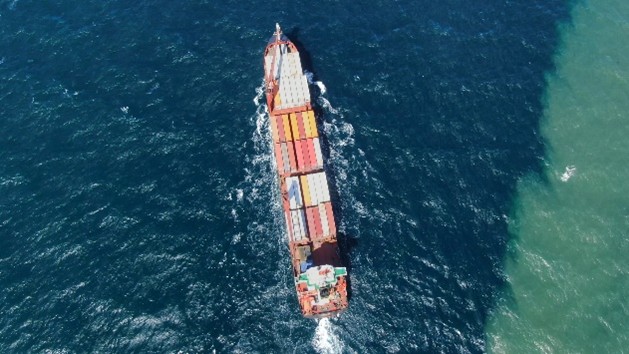
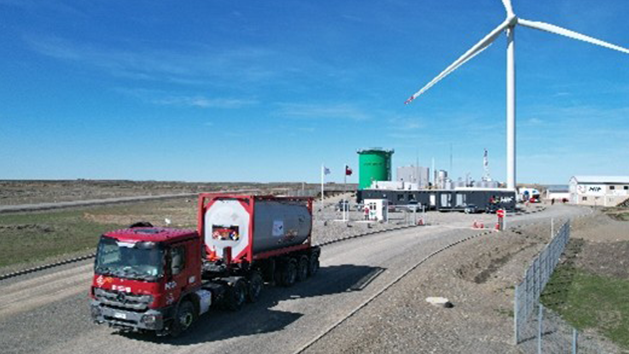
Today’s existing cars, airplanes, trucks, pipelines, and fueling stations can use e-Fuels without any modifications. Ships must be equipped with methanol engines to utilize e-Fuels effectively.